How to Design an Event Sponsorship Package

Hello, this is Chris & Partners! 😊 One element you can't leave out when planning an event is sponsorship. For those who've felt stuck on how to design a sponsorship package—which not only secures budget but also boosts brand credibility—we've put together a thorough guide today! 🎯
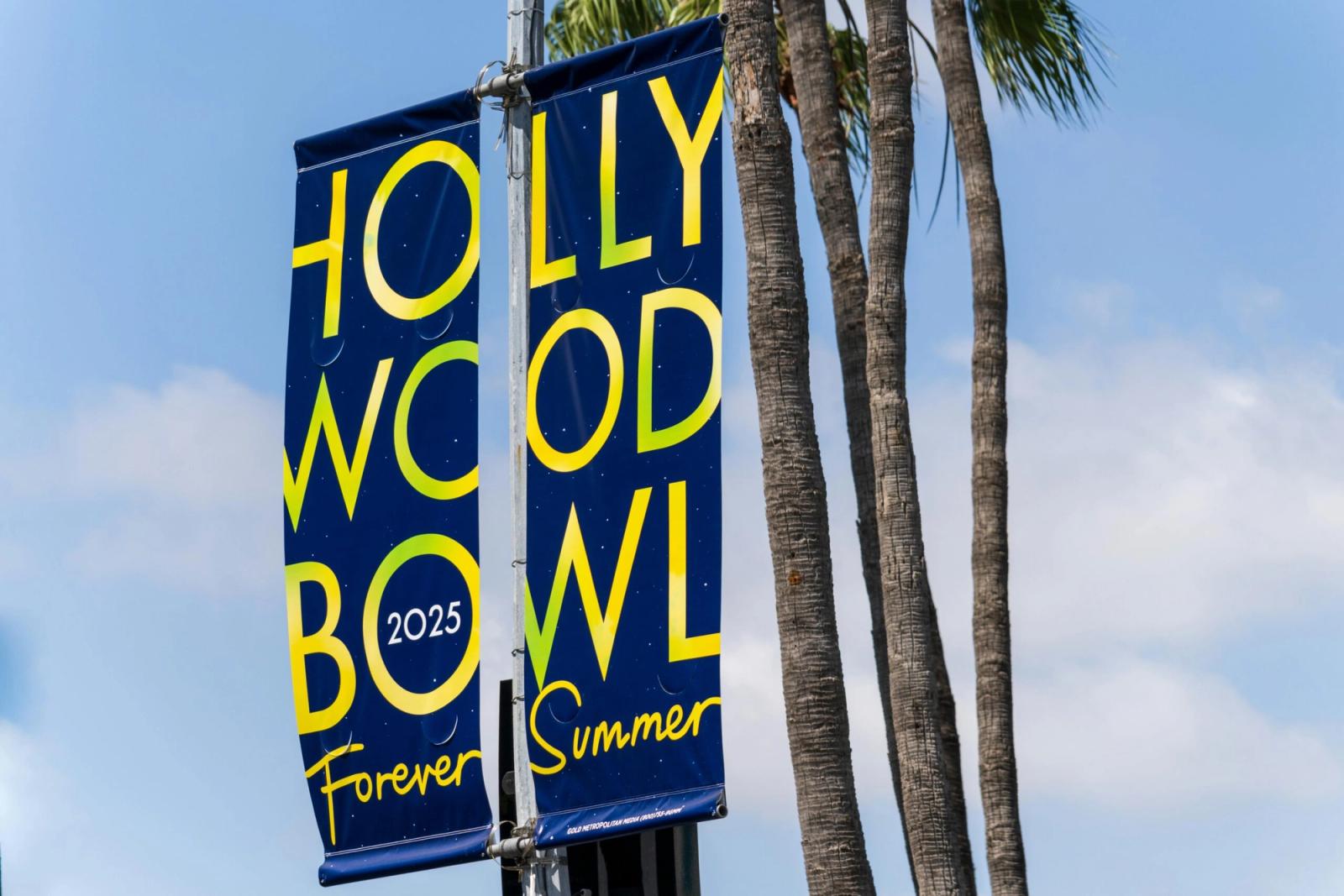
💡 What is a sponsorship package?
A sponsorship package is an official proposal that bundles, by tier, the benefits and exposure opportunities an event host can offer to sponsoring companies. The key isn't simply ‘we'll put your logo up for money,’ but structuring tailored benefits so the sponsor can achieve its marketing goals. ✅ A sponsorship package = a blueprint connecting the sponsor's marketing needs with the value the event provides
📊 Basic components of a sponsorship package
1️⃣ Tiered structure
A sponsorship package is usually split into 3–4 tiers. Benefits and cost differ by tier, and clear distinctions make it easier to attract sponsors. Tier Example name Characteristics Tier 1 Diamond / Title Sponsor — top exposure, exclusive benefits, highest price · Tier 2 Gold / Official Sponsor — major exposure, many benefits · Tier 3 Silver / Supporting Sponsor — basic exposure, standard benefits · Tier 4 Bronze / Media Partner — small-scale support, may include in-kind services ※ Tier names and counts can be adjusted flexibly to the event's scale and character.
2️⃣ Benefits
Here are the representative benefit items that can be included in each tier. 🎤 On-site exposure
- Banners and signage within the venue
- Logo on the stage screen
- Number of verbal mentions by the MC
- Dedicated booth placement (booth size and location differentiated)
📣 On/offline promotion
- Logo and link on the official website
- Number of social-media (Instagram, LinkedIn, etc.) promo posts
- Ad insertion in the email newsletter
- Sponsor mention in press releases
🎁 Linked attendee benefits
- Number of VIP invitations provided
- Opportunity to solely host a networking session
- Sharing of attendee list and business-card info (based on personal-data consent)
🎬 Content tie-ins
- Brand placement in official videos
- Sponsor mention in post-event content
- Keynote or session presentation opportunity (presentation sponsor)
✅ The more benefits are expressed as ‘measurable numbers,’ the more persuasive to sponsors. e.g., ‘3 social posts’ / ‘2 banners’ / ‘5 VIP invitations’

🏗️ How to design a sponsorship package, step by step
Step 1. Organize the event's value and data
Before building a sponsorship package, first organize your event's ‘selling points.’
- Expected attendance and target profile (age, role, industry)
- Media-exposure plan (press coverage, YouTube, social channel reach)
- Past event data (attendee satisfaction, sponsor testimonials, etc.)
- Relevance between the event theme and the sponsor's brand
The stronger this data, the more persuasive the sponsorship package.
Step 2. Understand sponsor needs
Sponsoring companies have clear goals too. Before designing the package, ask potential sponsors the questions below.
- Is the goal ‘boosting brand awareness’ or ‘generating leads (prospects)’?
- Which target customers do you want to reach?
- Do you need on-site participation (booth, session)?
Once you understand the needs, you can build a tailored package.
Step 3. Design tiered benefits and set pricing
After distributing benefits by tier, set an appropriate price for each tier. 💰 Factors to consider when pricing
- Actual production/operation cost of each benefit item
- Sponsorship market rates for similar events of the same scale
- Estimated sponsor ROI (exposure effect per investment)
✅ The highest tier also includes ‘symbolic value.’ The title sponsor is positioned as the event's flagship brand, beyond mere exposure.
Step 4. Create the proposal (deck)
A sponsorship package is most effective when delivered as a professional proposal. 📄 What the proposal must include
- Event overview (scale, date, venue, target)
- A comparison table showing the sponsorship tiers at a glance
- Detailed descriptions of benefit items
- Estimated exposure effect and reference data
- Contract and payment procedures
- Contact person
According to MPI (Meeting Professionals International), research shows that the clearer the sponsorship proposal, the higher the acceptance rate.
Step 5. Sponsorship fulfillment and post-event reporting
The real start comes after the contract.
- Check that every benefit specified in the contract was delivered
- Provide a ‘sponsorship results report’ after the event
→ Including exposure counts, reach, and attendee-response data, the results report is also powerful evidence for re-securing sponsorship at the next event.
📌 Real-world examples
🌏 Sponsorship structure of an international MICE event
IMEX Frankfurt (2023)—the world's largest MICE-related exhibition—ran 8+ sponsorship categories, from title sponsor to supporting partner. Each category broke down exposure channels, on-site benefits, and digital benefits so sponsors could choose a package fitting their goals. In Korea, large conferences and industry expos at COEX adopt similar multi-tier sponsorship structures.
✅ Sponsorship-package design checklist
- Have you clearly organized the event's target and expected scale?
- Did you divide sponsorship into 3–4 tiers?
- Did you quantify each tier's benefits?
- Did the price consider cost + market rate + ROI?
- Did you create a professional proposal (deck)?
- Do you have a plan for a post-event results report?
Check them off one by one to complete your sponsorship package! 💪 Today we looked at how to design an event sponsorship package. A sponsorship package isn't just a price list—it's a partnership proposal in which the sponsor and the event grow together. With Chris & Partners across every stage of event planning, you can prepare even more strategically. 😊
📚 Sources
- IMEX Frankfurt official website - https://www.imex-frankfurt.com
- Meeting Professionals International (MPI) - https://www.mpi.org
- Events Industry Council (EIC) official resources - https://eventscouncil.org
- International Association of Exhibitions and Events (IAEE) - https://www.iaee.com
- • COEX official website - https://www.coex.co.kr