AR Marketing A Brand Strategy That Moves Gen Z

AR Marketing: A Brand Strategy That Moves Gen Z
Hello, this is Chris & Partners.😊 As ‘AR (augmented reality),’ which is seeping into daily life beyond technology, keeps advancing, you've all probably heard of and experienced it once! Today, we'd like to explore what impact AR technology has had on brand marketing and what cases there are. 🔍
The expansion of marketing: AR marketing
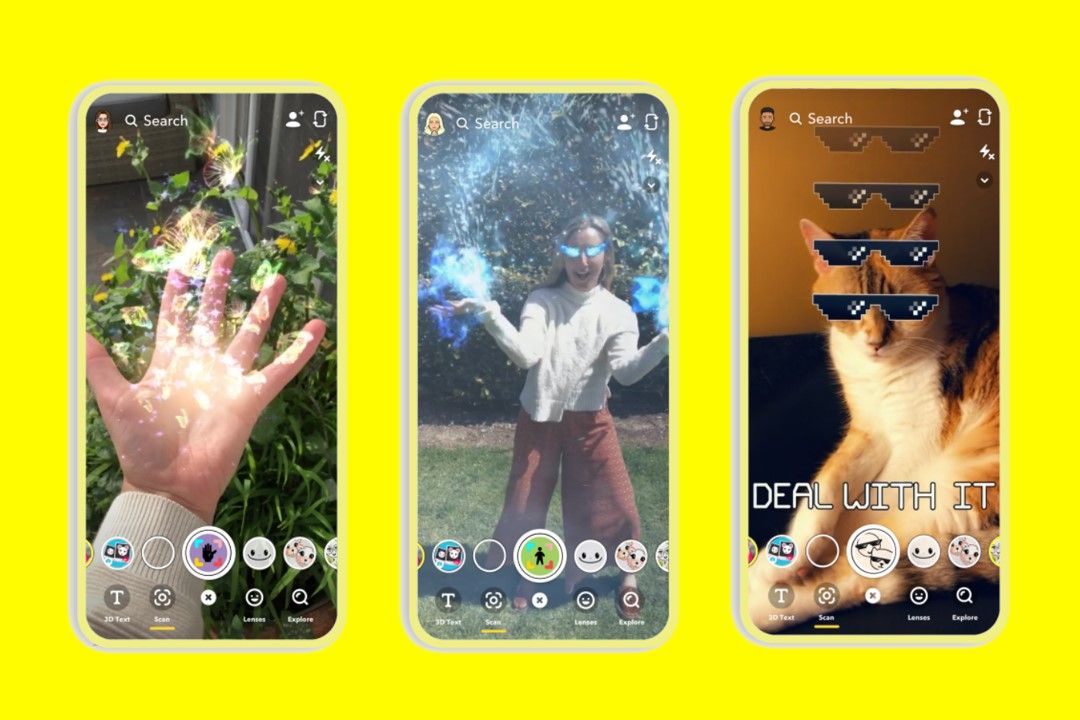
As untact consumption surged, marketing also changed. We can see various marketing styles using VR, the metaverse, and more. As technology advances and the times change, new media emerge and consumers continually want more advanced technology. As a result, you can feel that AR marketing has risen rapidly. AR didn't draw attention in marketing from the start. As the contactless era arrived in earnest, AR began to be used widely across diverse fields—from gaming to fashion, beauty, education, and entertainment. According to PwC's (2019) VR/AR market outlook and operator-trends report, the global AR (augmented reality) market is forecast to grow to about $338.21 billion by 2025. Until 2017, the VR market was far larger, but as of 2019 the AR market's revenue surpassed that of the VR market. As COVID-19 accelerated digital transformation, companies pondering how to provide new consumer experiences increased, and interest grew in AR—which can deliver content via links or QR codes—over VR, which requires dedicated devices.
Gen Z: ‘communication and participation’ are the key keywords
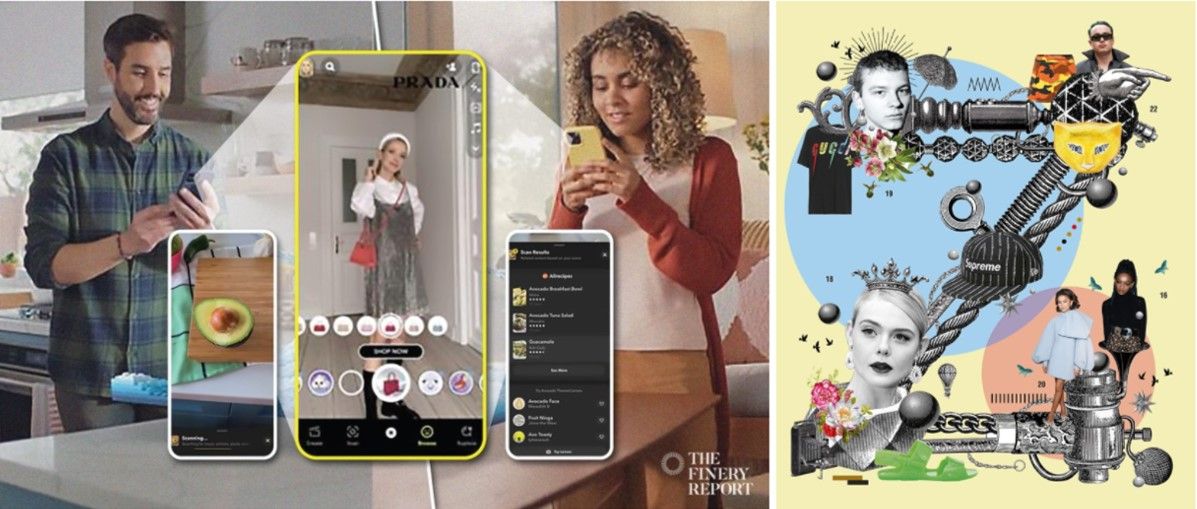
Marketing competition is unfolding to capture Gen Z, which is rising as the main axis of consumption across most industries. It's predicted that by 2030 Gen Z will make up 60% of the working-age population, and their influence is expected to keep growing. Gen Z, which quickly adapted to a contactless life, naturally accepts AR technology—such as virtual try-on services—helping their consumption decisions. This shows Gen Z's tendency to take on active roles, communicating directly with brands and contributing to brand activities in various ways. Also, because AR is a channel that provides brand experience and gives a sense of participation by inducing specific actions, it leaves a positive impression on the younger generation, which values experience and fun. For example, they assign high value to AR technology showing a product being worn, or robots that help with purchases. Applying the latest digital technologies like AR for Gen Z, who seek a ‘charming, fun purchase experience,’ can be seen as a way to encourage their participation and strengthen relationships.
AR marketing cases
1) Gucci
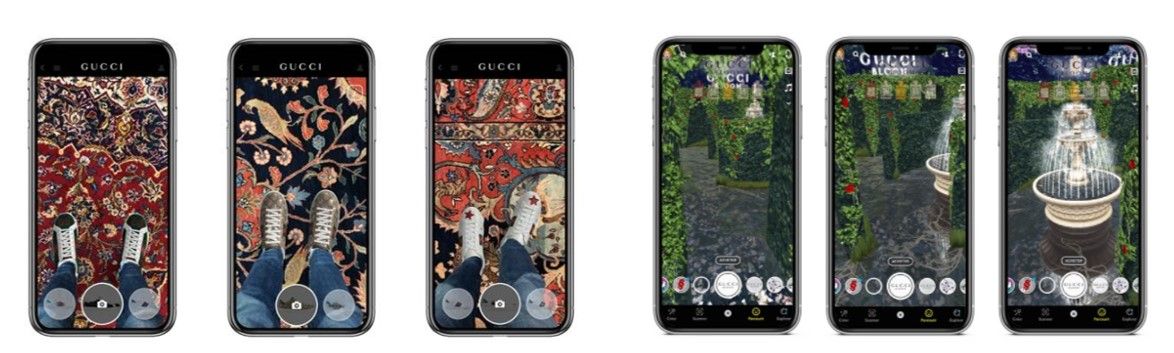
Gucci updated a Try-On feature using AR in its app. You can put on shoes and take a snapshot to share on social media, and it's used to try on before buying. It also helps purchase decisions and, since it has built a link to the purchase site, also promotes consumption. Gucci said it will keep applying AR to various new products. It also expanded the scope from shoes to fragrance. To promote the ‘Bloom Profumo di Fiori’ fragrance launched in 2021, it collaborated with Snapchat to present an AR lens called ‘garden of dreams,’ planning a program where you enter a garden through the lens and find five hidden fragrances, and you can move to the purchase page using a ‘buy’ button.
2) Nike
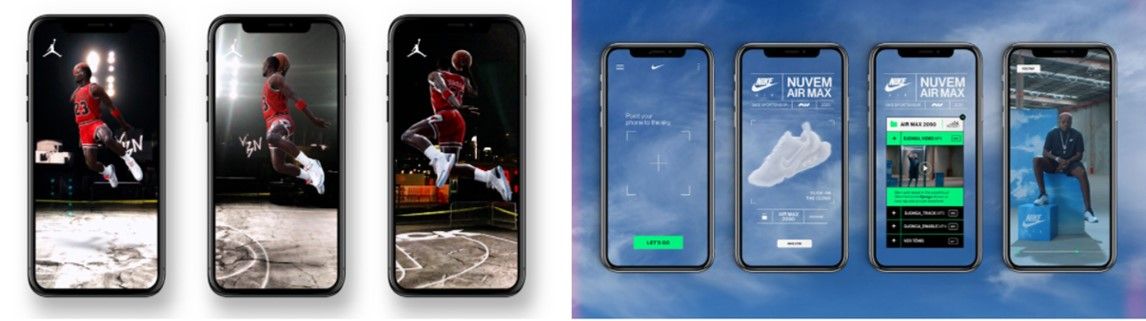
Nike is a leading company that knows exactly what experience AR can provide and how to drive purchases. In 2018, Nike ran, with Snapchat, a campaign marking the 30th anniversary of Michael Jordan's dunk-contest win, rendering Michael Jordan on an actual court in AR; tapping Michael Jordan linked to a page to buy the Air Jordan III he wore in his dunk-contest days. As a result, the shoes sold out in 23 minutes. Also, considering that people couldn't go outside and offline shopping wasn't free due to COVID, Nike Brazil ran a fresh, special AR campaign to give the feeling of wearing Air Max at home. With the idea of turning every home's window into a show window, and playing on the image where ‘Air’ comes to mind first with Nike Air Max, pointing an AR lens at the sky reveals a cloud-shaped Air Max, and scanning the cloud provides new-product info and a link to purchase. Rather than an ordinary product-explainer video, it was made in a music-video format, collaborating with famous artists to launch Nike's new products and the artists' new albums at the same time.
3) Pinterest
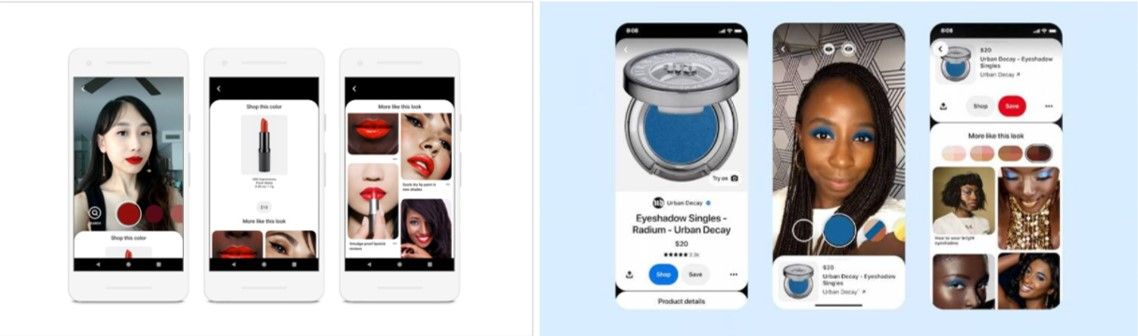
The image app Pinterest launched a Try-on service in the UK and US. It's a service designed so that, in the Pinterest app, you can put lipsticks from various brands—Estée Lauder, Bobbi Brown, MAC, and more—on your lips and check the colors. A feature is that it uses no filters that touch the skin or features, for accurate selection. If you find a product you like, you can move to the website and buy it right away, so it can be seen as a business model where the platform doesn't just introduce products but provides a chance to experience them, raising the desire to buy.
4) L'Oréal
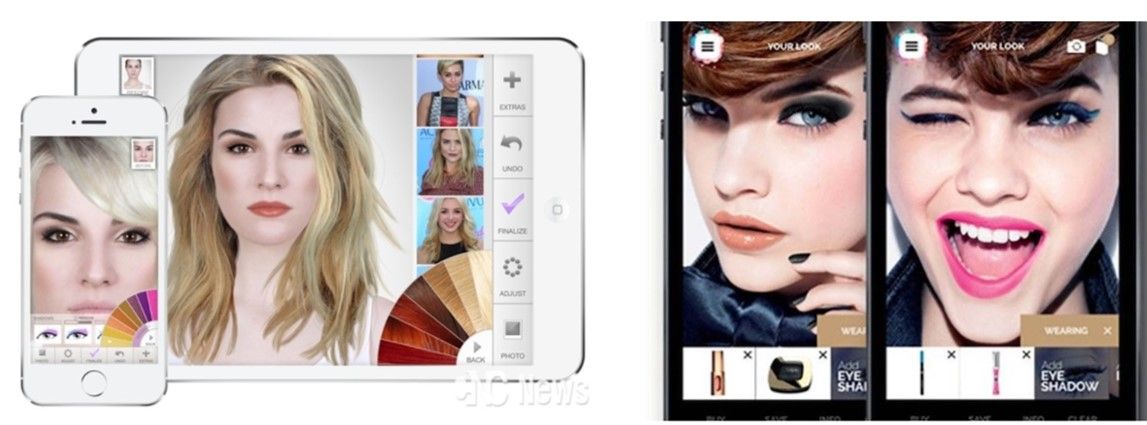
L'Oréal, in the fashion/beauty industry, introduced AR services to help people judge whether the color of clothes, shoes, or cosmetics suits them without visiting a store. In L'Oréal's case, after acquiring the facial-recognition tech company ‘ModiFace’ in 2018, it made virtual makeup and hair-color experiences possible within the app. Thanks to that, it grew Q1 2020 online sales 53% year over year. As seen today, technology is used not just to experience products but also as a channel to convey a brand's message. Through AR technology, brands provide diverse experiences and fun and help them try new forms of marketing and advertising not seen before. As consumers continue to want more special experiences and brands seek to create consumption through new experiences, we look forward to even newer AR marketing ahead.
Digital events & marketing—prepare your event with the industry's Digital Transformation leading group, Chris & Partners, specialized in it. With proven, outstanding capability, we'll create a satisfying event from planning to operation.