International Symposium - Superhumanity: How We Design Ourselves

International Symposium <Superhumanity: How We Design Ourselves>
Corporate event by Chris & Partners — Event datesFri, Oct 27 – Sat, Oct 28, 2017Event categoryInternational conferenceCountryKoreaVenueMMCA Seoul, Multi-Project HallHostNational Museum of Modern and Contemporary Art (MMCA) — Chris & Partners' role: event operation
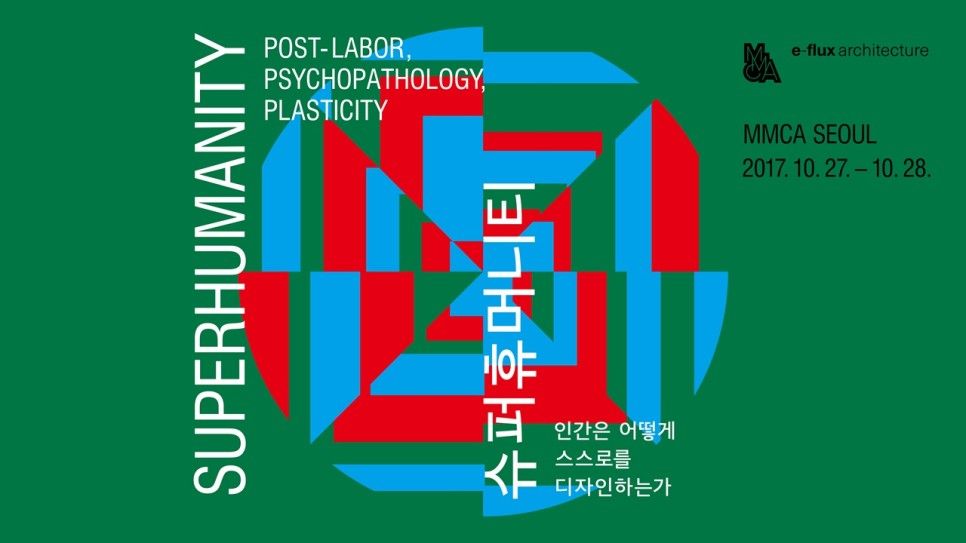
Superhumanity is the second international symposium held by the MMCA, planned to be an occasion that produces international contemporary-visual-art discourse and raises the MMCA's international standing. Through ‘How We Design Ourselves,’ meeting the era of the 4th Industrial Revolution, it approached a facet of ‘the image of the human in modern society’ from the perspective of architecture and design, expanding the discourse horizon of contemporary visual art into a humanistic dimension.
The 2017 international symposium <Superhumanity: How We Design Ourselves> was the MMCA and e-flux architecture co-hosted it.
* e-flux architecture: a publishing platform and archive, artist project, curatorial platform, and company founded in 1998
Chris & Partners' ‘international conference planning/operation’ highlights
The international symposium ‘Superhumanity’ is the first event Chris & Partners and the MMCA ran together.
Unlike existing international-conference planning carried out at general institutions, the ‘Superhumanity International Symposium’ differed in many parts—planning the event's key visual, speaker invitation, event proceedings, and more. In fact, when it comes to the design of the key visual and printed productions, the existing way is to plan so as to clearly express ‘what one wants to say,’ but this event was focused most on ‘making the meaning of the theme’ come through.
Through this project, Chris & Partners had an opportunity to encounter a new way of international-conference planning, breaking out of the frame of the work it had planned/operated before, including publishing work. Through publishing work it had never done before, the ‘art world’ seems to have become understandable.
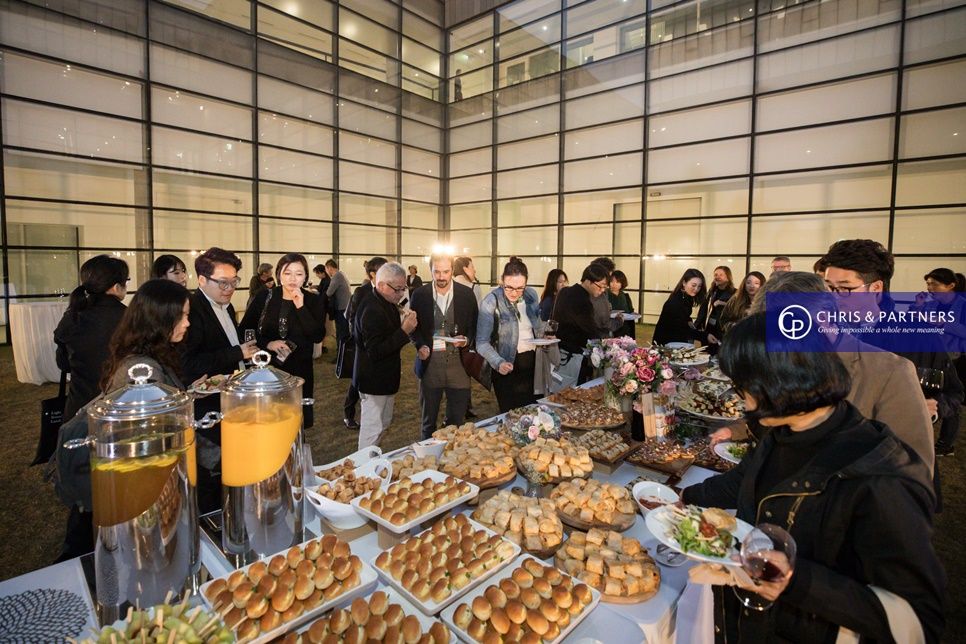
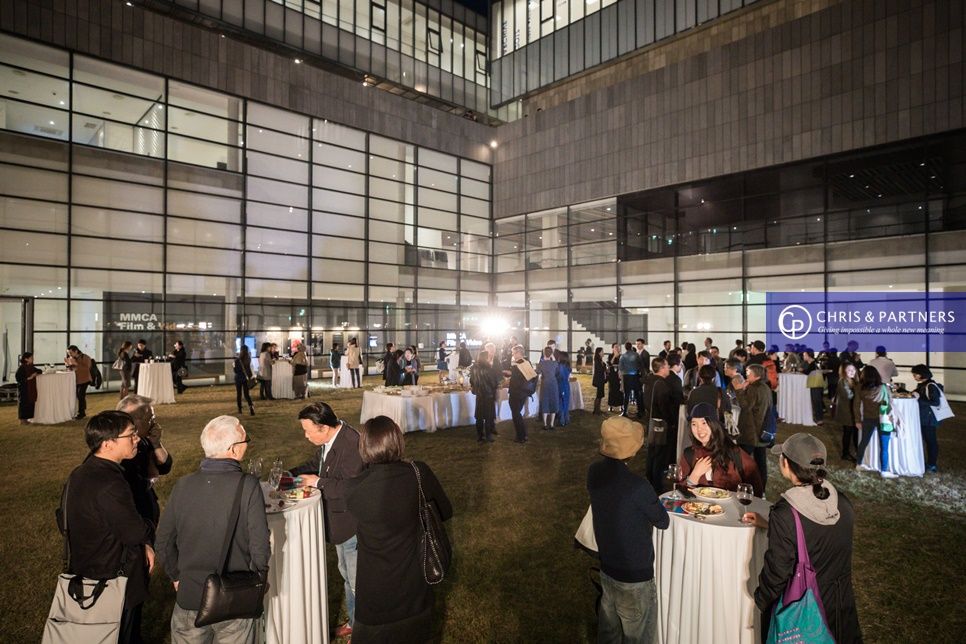
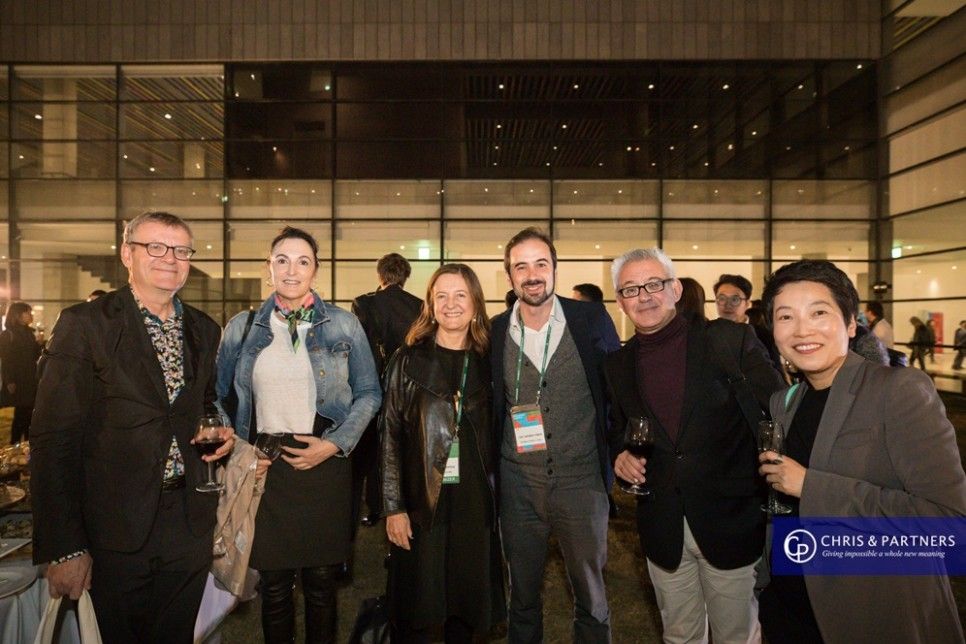
A networking party ‘reception’ at the outdoor exhibition yard and a ‘VIP dinner’ with three concepts
Another new attempt—the networking party at the international symposium, the ‘reception,’ running it at the MMCA outdoor exhibition yard and the VIP dinner preparing it in three different spaces each with a different concept alsoraised the client's satisfaction to the maximum.Above all, since the MMCA is a government institution, drawing out the maximum effect within a limited budget is what we poured the most effort into (maximizing efficiency relative to cost), and thanks to that, we received the client's high satisfaction and trust and could go on to run three more MMCA international symposia.
Composition of Superhumanity's lecture and discussion sessions
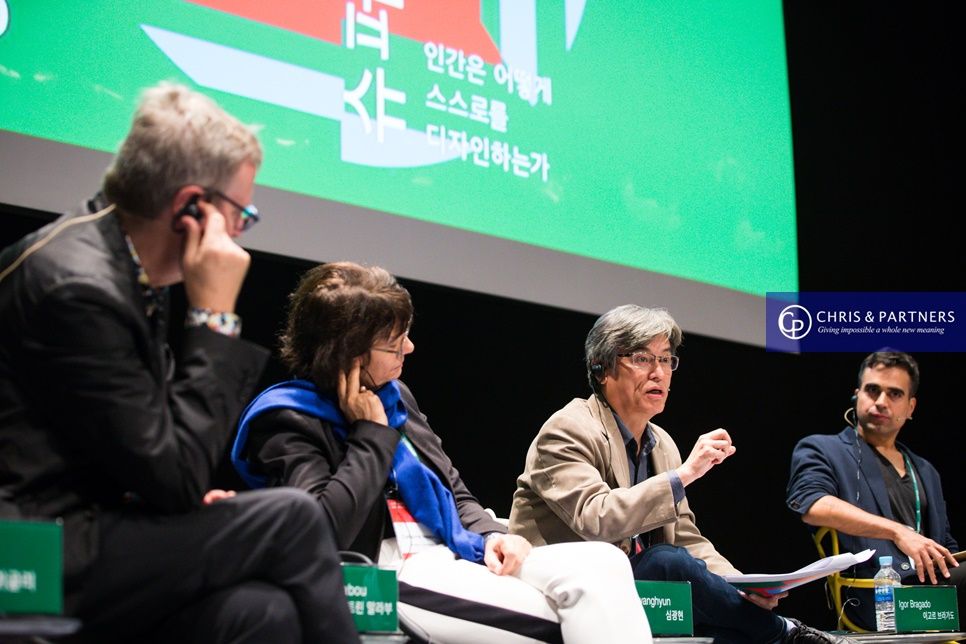
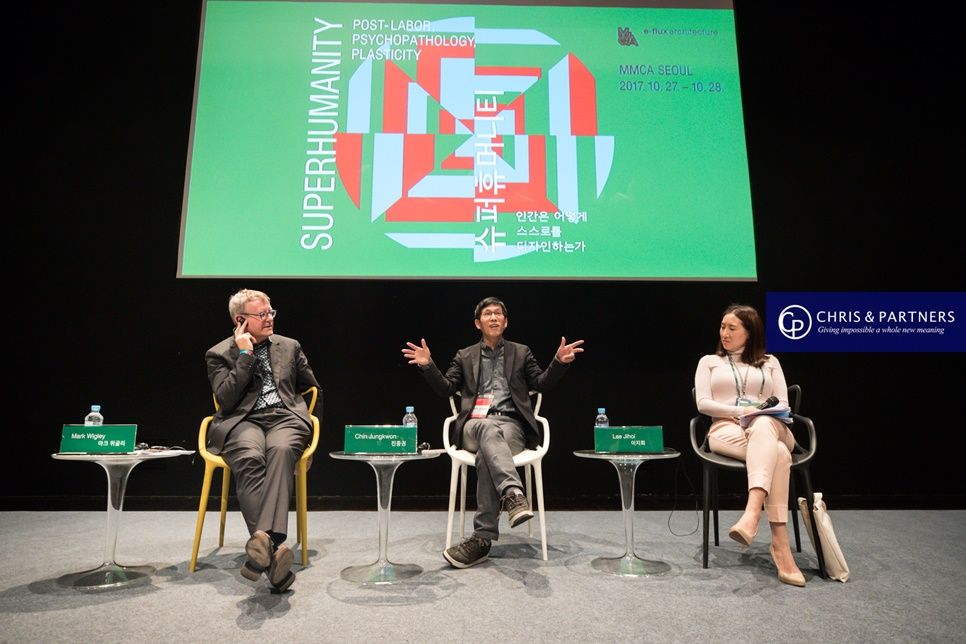
This international symposium approached the question of how we humans design our own lives, broadly dividing it into ‘post-labor,’ ‘psychopathology,’ and ‘the changeability (plasticity) of the human brain and body’—three major themes—and each session was composed of lectures and discussions by experts in various fields—science, architecture, media, history, philosophy, contemporary art, and more. It was a symposium that reinterpreted ‘e-flux's project <SUPERHUMANITY>,’ inspired by the topic of the 2016 Istanbul Design Biennial<Are We Human?>, in a Korean and Asian context, and examined how contemporary architecture and design influence human life and behavior.
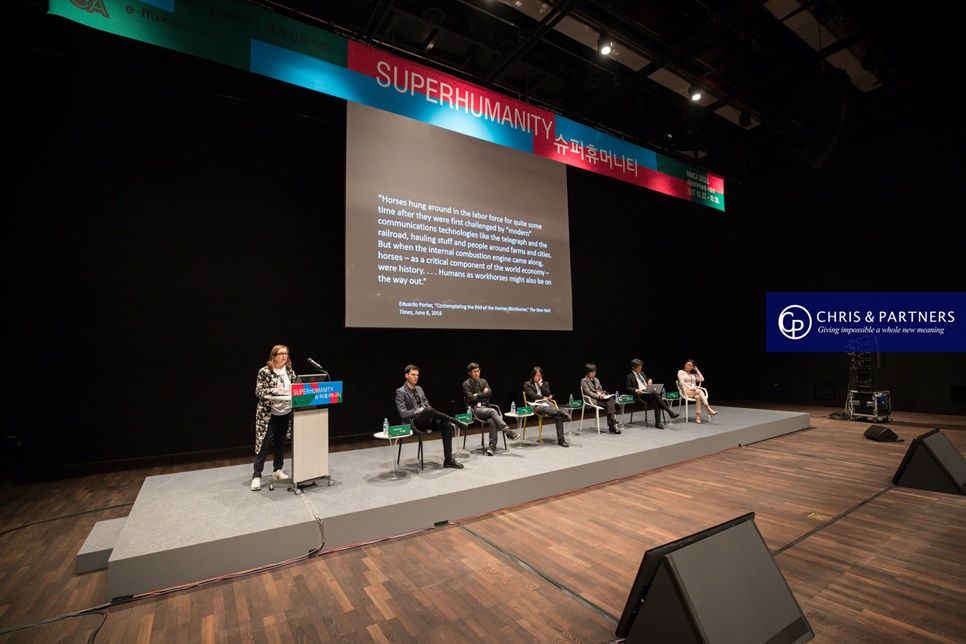
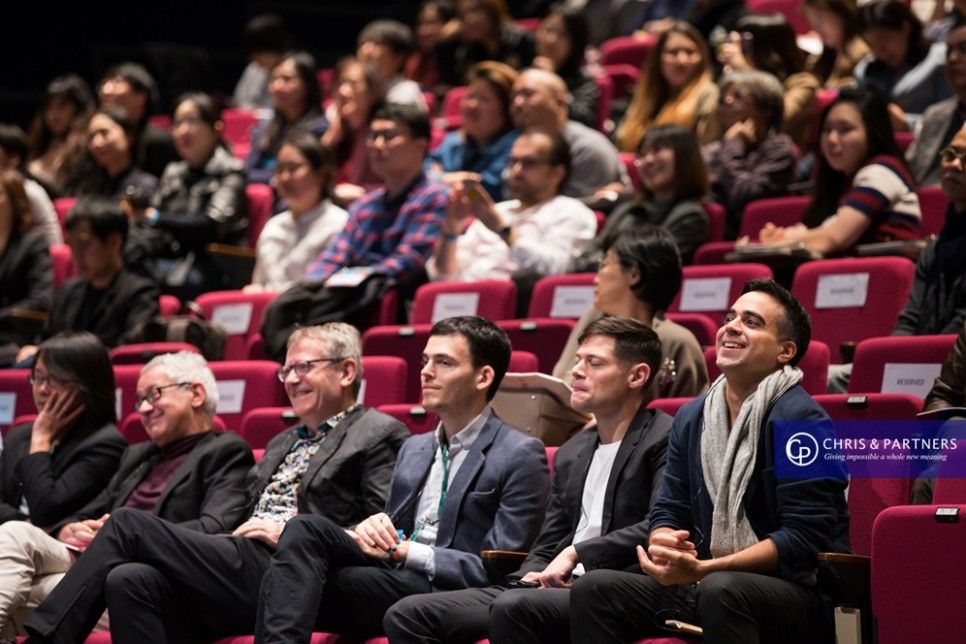
The speakers who graced Superhumanity
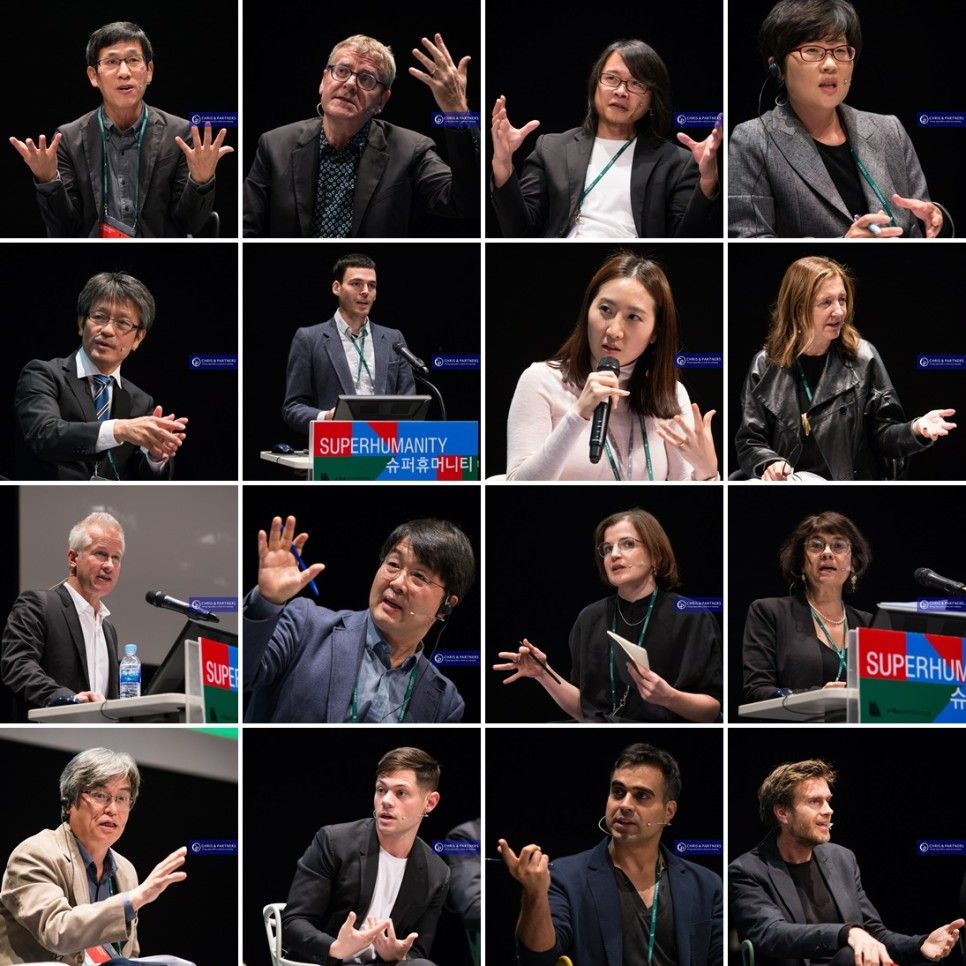
Jin Jung-kwon, professor at Dongyang University; Mark Wigley, professor at Columbia University; Yuk Hui, adjunct professor at Leuphana University Lüneburg; Kim Jae-hee, visiting professor at Sungkyunkwan University; Hiroshi Yamakawa, chair of the Whole Brain Architecture Initiative; Nick Axel, deputy editor of e-flux architecture; Lee Ji-hoe, curator at the MMCA; Beatriz Colomina, professor at Princeton University; Mark Wasiuta, professor at Columbia University; Hong Sung-ook, professor at Seoul National University; Hannah Proctor, ICI Berlin fellow; Catherine Malabou, professor at Kingston University; Sim Kwang-hyun, professor at the Korea National University of Arts; Igor Bragado and Miles Gertler, founders of Common Accounts; Erik Rietveld, senior researcher at the University of Amsterdam
Superhumanity highlight video
Source: MMCA official YouTube
Reviews of the Superhumanity International Symposium
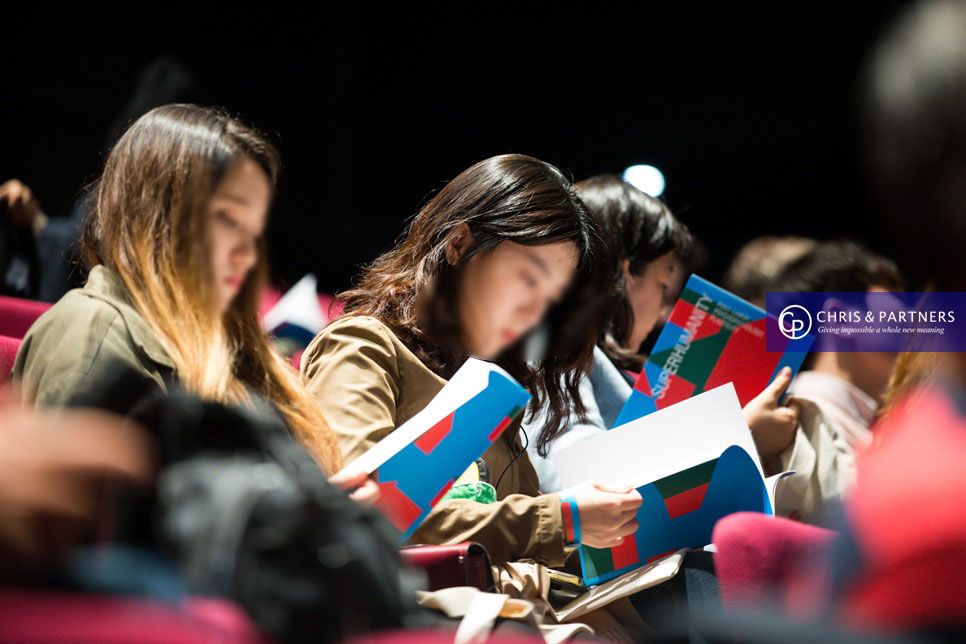
1 Through this international symposium, the MMCA began to be recognized as an institution that produces intellectual discourse and a platform that discusses issues on contemporary art and culture - from an interview with Bartomeu Marí, former director of the MMCA - 2 Whereas existing international-conference planning set the event key visual with a standardized design, the MMCA event pursued a design completely beyond expectations, so at first we received a fresh shock, but the Chris & Partners planners assigned to the museum event now reached the point of highly praising museum-event design - from a Chris & Partners planner's symposium review - 3 After the event, while carrying out the post-event publishing work of this symposium, Chris & Partners reviewed the conducted international conference again, went through the process of turning it into content, and could publish even more in-depth material into a book. We conducted confirmation individually with each domestic and overseas speaker and carried out the supervision work, and thereby could publish the high-completion book ‘Superhumanity: How We Design Ourselves.’ - from a Chris & Partners PM's symposium review - 4 As there is a thick fandom in the museum world, the ‘Superhumanity’ symposium drew tremendous enthusiasm from attendees, from the advance preparation up to the day the event was held. There were even cases of attendees waiting before the MMCA's opening time to attend. - from a Chris & Partners planner's symposium review -