City Branding: Giving a City Its Color

City Branding: Giving a City Its Color
Hello, this is Chris & Partners. 🤗 As the skies reopen, footsteps cautiously heading to other countries are increasing. These days we feel the day of free travel as before isn't far off. ✈ Do you have a favorite country or city? Is there an image or feature that comes to mind when you think of that city? It might be the city's landmark, a famous tourist spot, or food. Let's explore, through concepts and cases, how the images and features we recall affect a city. 🔍
What is city branding?
City branding means the whole process of recognizing a city as a single brand (product) and building its differentiated characteristics and symbols apart from other cities. It's an activity that raises a city's overall value by developing and improving images, names, systems, and facilities that distinguish it from other cities—based on tangible and intangible elements like its natural environment, historical character, and cultural appeal—and making these known and recognized externally. Cities at home and abroad work hard at such city branding to gain competitiveness. When a particular city's unique culture, image, or something comes to mind, it's probably a city that has branded itself successfully, isn't it? Let's look at the importance of city branding and its connection to MICE through cases of cities that branded themselves well.
Excellent city-branding cases: Porto, New York
1. Portugal — Porto
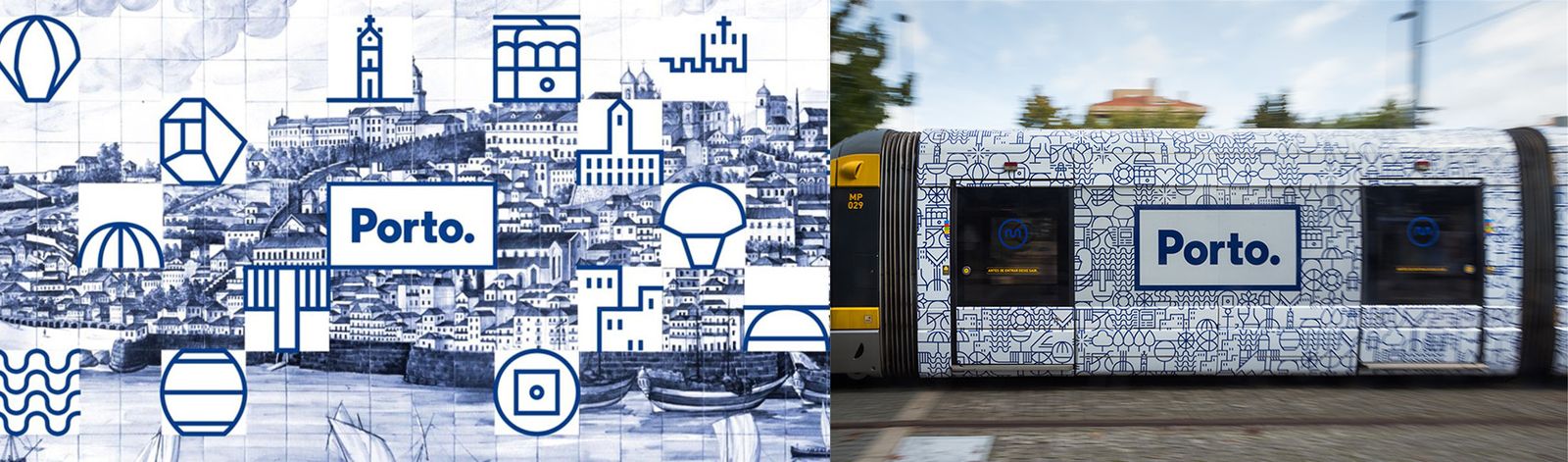
The first city to look at is Porto, Portugal, which became famous as a city-branding case. With 2,000 years of history and culture, Porto succeeded in modern, contemporary city branding while preserving that rich culture. In the early branding stage, it asked Porto's citizens ‘What is your Porto?’; from the many answers, 70 were selected and made into symbols. The tourist spots and features citizens themselves chose—the Douro River, the Dom Luís I Bridge, the tram—were symbolized, and depending on how they're combined, countless designs can be created. It also gave a sense of unity using the blue key color seen throughout Porto's architecture. You can find this design in many places across Porto—police cars, the subway, road signs, government offices. Through this branding, Porto is cited as a successful city-branding case, memorably impressing both its residents and the tourists who actually visit.
2. USA — New York
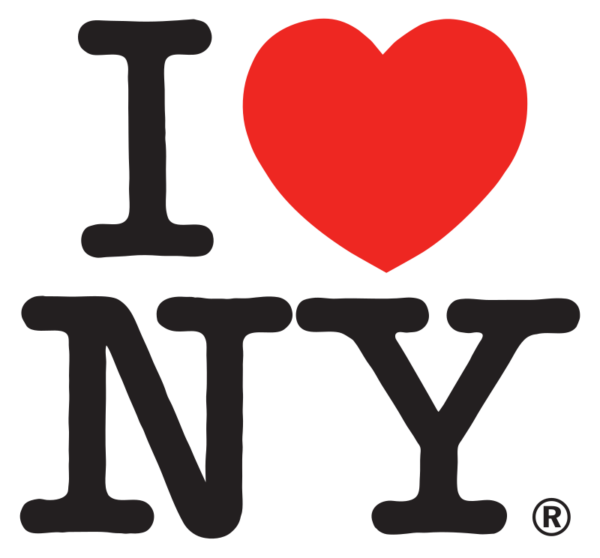
The second case is the now-famous, dazzling US city, New York. In the early 1970s, New York's economy was on a downhill slide, and the number of tourists plummeted. On top of that, an image of a smelly, scary city took hold, worsening the situation. To break through this, New York planned city branding through the ‘I Love New York’ campaign. Born in this process is the now-familiar logo ‘I❤NY.’ Along with the logo, ads of famous actors shouting ‘I Love New York’ aired, and New York-born singers like Madonna sang the logo song, adding fervor to the campaign. Countless goods were released, drawing people's interest. The campaign sparked New Yorkers' pride in their city and gave tourists the image of New York as a refined, cool city. This led to visible effects: in 1977, the year the campaign began, tourists rose about 57% and revenue reached $28 million (about ₩33.3 billion). It also grew more famous as other cities ran goods and campaigns homaging ‘I❤NY,’ such as ‘I❤Paris’ and ‘I❤London.’ Thus city branding plays an important role because it's directly tied not only to image but to a city's revenue. If it attracts tourists, has companies move in, and is recognized as a good city to live in so people relocate, a city naturally gains vitality, and revenue rises proportionally. Let's look at a case using MICE as part of such city branding.
City branding and MICE
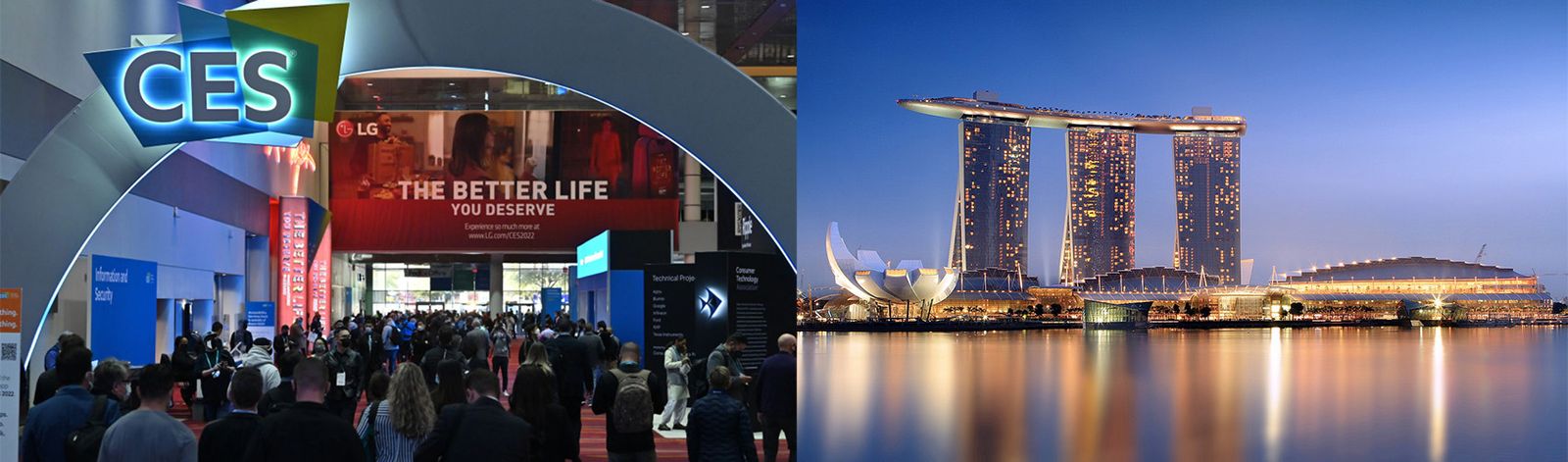
MICE can't be left out of city branding. We can see cities where MICE hosting becomes frequent after leaving a good international image through city branding, or, conversely, cities branding themselves through successful MICE hosting. Singapore established itself as Asia's MICE country through its landmark Marina Bay Sands. Singapore already had an image as Asia's MICE hub and powerhouse; the construction of Marina Bay Sands cemented that image. It captured tourists with Marina Bay Sands' mall, casino, and hotel while satisfying business clients' needs through a digitized convention center. Las Vegas was a city once famous for casinos. But as large convention centers were built and major MICE events—including CES, the world's largest electronics exhibition—were held, its dependence on the casino business gradually fell and it transformed its image into a MICE host city. Korea, too, has city-branding cases through MICE. Representative examples include Busan, which rapidly grew into a world-class MICE industry city through the construction of BEXCO, and Goyang City, which was designated an ‘International Conference City’ and an ‘International Conference Complex District’ and cultivated MICE companies and talent. Beyond these, countless cities work hard at city branding to gain differentiated competitiveness. We hope Korea's diverse cities, through successful city branding that highlights their unique character, gain urban competitiveness and become a stepping stone for raising national competitiveness. 🐾
Digital events & marketing—prepare your event with the industry's Digital Transformation leading group, Chris & Partners, specialized in it. With proven, outstanding capability, we'll create a satisfying event from planning to operation.