The Metaverse's Rising Star Virtual Influencers

The Metaverse's Rising Star: Virtual Influencers
Hello, this is Chris & Partners.😊 These days we see many influencers with great clout on YouTube and social media. As AI technology advances, now even influencers— virtual influencers of a virtual world created through AI technology—are the talk. Today, let's learn about virtual influencers and, accordingly, how the marketing market has changed. 😎
The birth of the virtual influencer
Source: Google
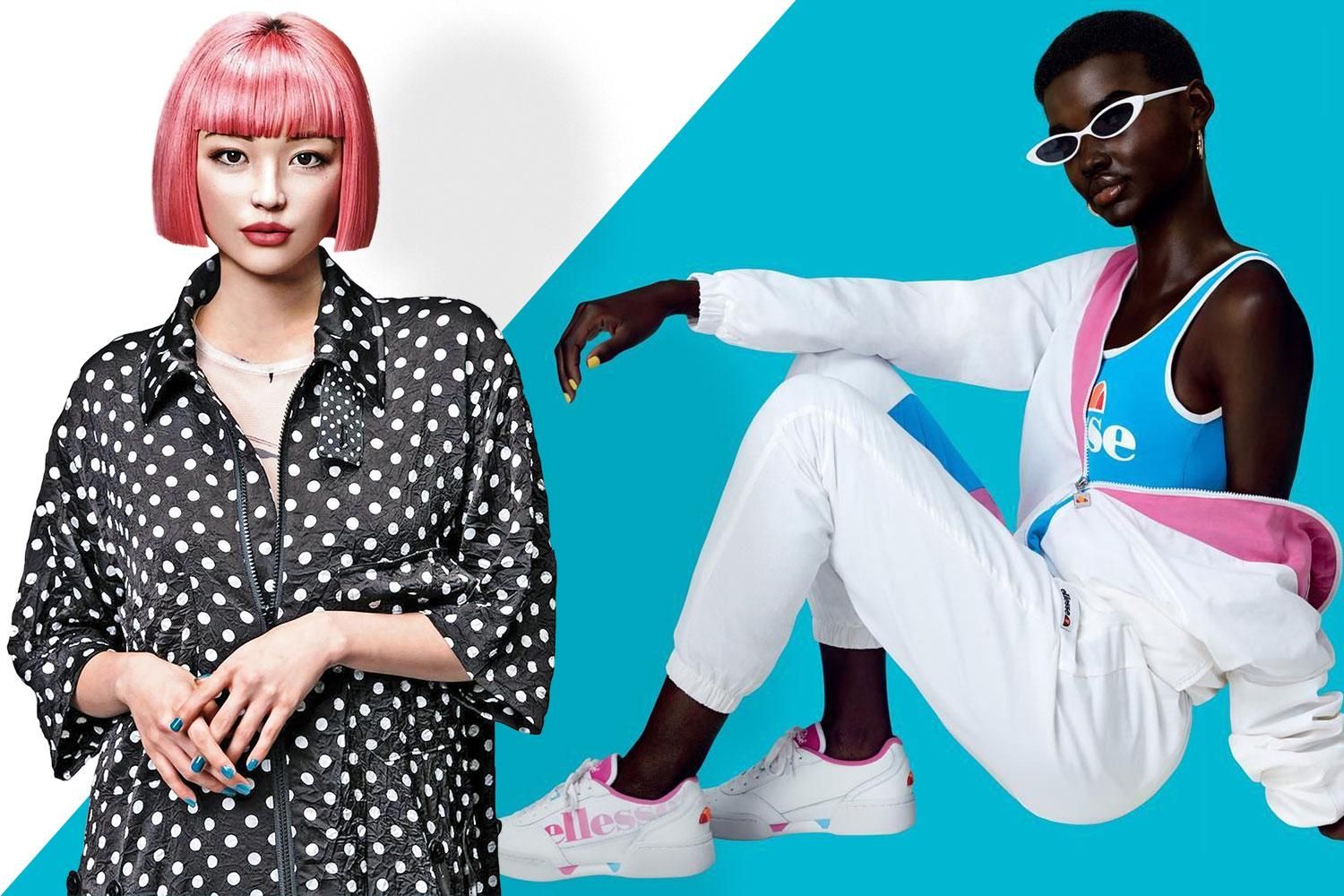
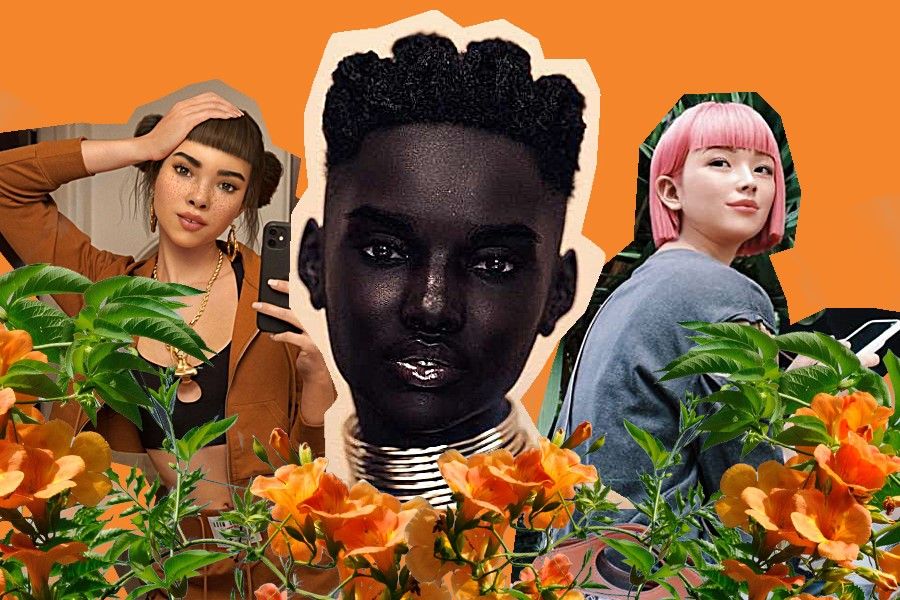
A virtual influencer refers to a virtual figure—created by combining AI and computer graphics—that wields strong influence on socially impactful media. Looking at the traits of the virtual influencers in the spotlight, they show a model of the MZ generation, voicing opinions on social issues without hesitation. We stand in the process of the flat internet we've encountered becoming a spatial internet. As the scope of the metaverse—a virtual space met through one's character—broadens, virtual influencers' influence has grown alongside it. As society develops and the metaverse trend circulates, the existing economic order may be reshaped within the metaverse. Virtual influencers' rapid growth also owes much to the impact of the untact era COVID-19 created. As facing people in person grew burdensome, virtual influencers are more likely to feel natural than before. Within the metaverse, character roles will gradually become more human-like, and going forward, to access the metaverse you'll form your own character. Through characters you'll meet virtual influencers (virtually) and communicate more, and when the metaverse develops further, the key players leading the future industry are expected to be companies that operate ‘virtual humans’. Accordingly, you can see attempts to create various competitive virtual humans.
Virtual influencers' influence
1) Rozy, Korea's first virtual influencer
Source: virtual influencer Rozy Instagram
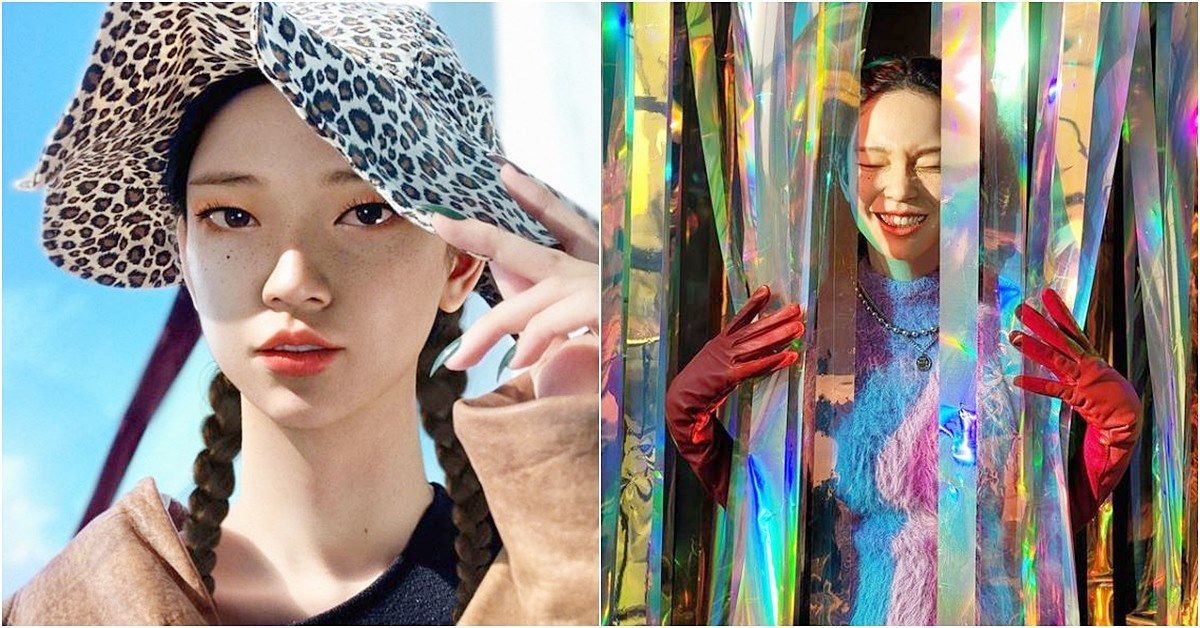
Name: Oh Rozy. Age: 22 (fixed forever). Height/weight: 171 cm / 52 kg. Job: fashion influencer. Other: keen interest in environmental protection. Rozy is Korea's first virtual influencer, created by the content-creative group Sidus Studio X. She opened an Instagram account in August 2020 and uploaded various photos—travel, fashion, beauty—and reportedly none of her followers realized she was a virtual model. With a distinctive face and unusual body proportions, Rozy gathered 10,000 followers even before revealing she was a virtual figure, and continued to draw popularity after revealing it, now grown to 114,000 followers. Around the April 2021 Seoul by-election, she posted to encourage early voting, and—as the first virtual figure in Korea—shot her first solo fashion spread with the famous magazine ‘Luxury.’ She was also chosen as the much-talked-about ‘Shinhan Life’ ad model, continuing her active work.
2) Imma, a virtual figure created in Japan
Source: Fabi News
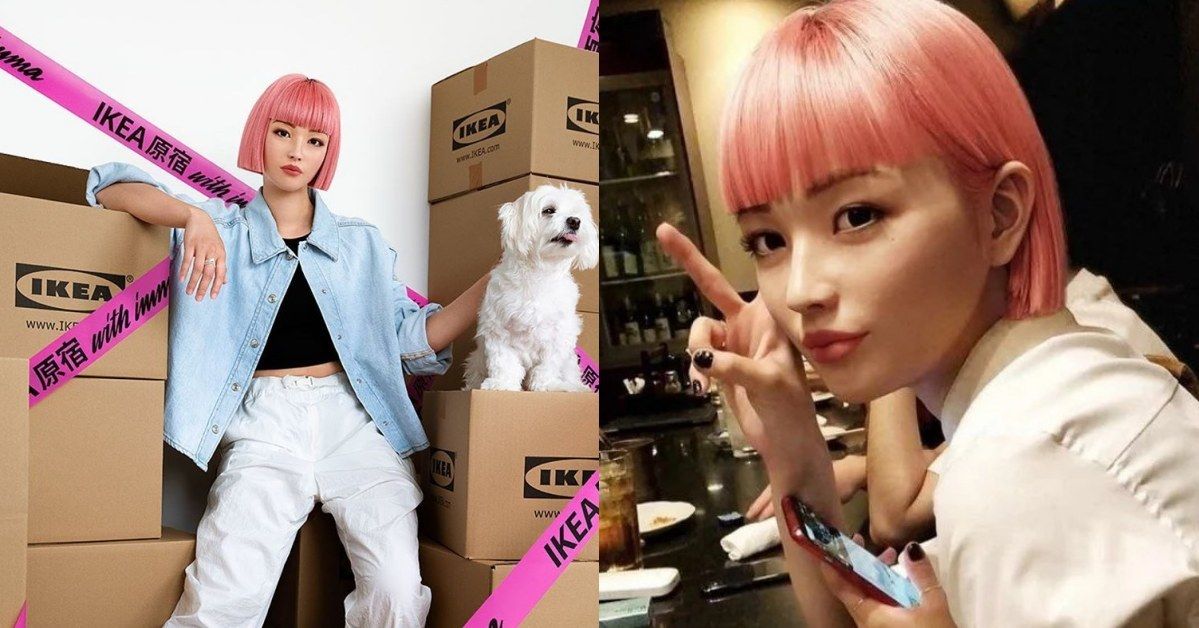
Name: Imma. Residence: Tokyo. Age: 20s. Other: interested in art. A virtual figure created by a Japanese CG specialist company, Imma has pink bobbed hair, big beautiful eyes, flawless skin, mostly wears distinctive clothes, and reportedly has a free-spirited personality. When Imma first appeared, people reportedly couldn't hide their amazement at how realistic she looked—from skin texture to each strand of hair—enough to mistake her for a real person. According to those who created Imma, beyond looks, she was planned and created so that, through her activities, people could feel the lives of today's teens and twenties more closely. Imma started as an ordinary girl-next-door concept uploading daily life and fashion photos to Instagram, but in August 2020 Imma was chosen as a model by the furniture brand IKEA, continuing full-scale activity. Imma currently has about 340,000 Instagram followers and reportedly earns over ₩700 million a year.
3) Lil Miquela, a US virtual human
Source: virtual influencer Lil Miquela Instagram
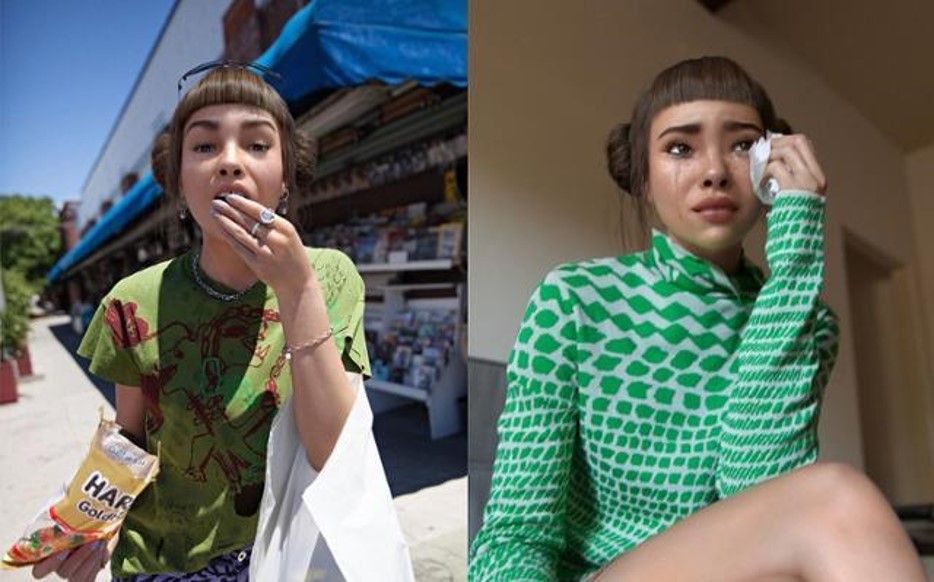
Name: Lil Miquela. Age: 19. Residence: LA. Job: singer. If you name the world's most famous virtual human, it's surely ‘Lil Miquela.’ The influencer ‘Lil Miquela,’ with nearly 5 million followers across Instagram, TikTok, and YouTube, is a virtual human created by the US AI startup ‘Brud’. With choppy bangs, thick eyebrows, and charming freckles, Lil Miquela is a 19-year-old girl living in LA, set as a Brazilian-born musician of Spanish heritage. She actively works as a musician, releasing songs like ‘Right Back’ and ‘Automatic’ and a collaboration track ‘Machine’ with Teyana Taylor. Lil Miquela is also a blue chip in advertising—she has modeled for luxury brands like Calvin Klein, Prada, and Chanel and graced the cover of Vogue. Promotional posts on Lil Miquela's social media reportedly command about $8,500 (about ₩9.5 million) each. She's expanding her scope—signing with ‘CAA,’ the Hollywood top agency that represents Brad Pitt and Son Heung-min. Lil Miquela's annual income is reportedly around ₩13 billion. She boasts income and fame rivaling real celebrities. Before long, we'll likely see virtual figures starring in media like films and dramas.
The outlook for the influencer-marketing market
Source: Google
Virtual influencers' influence—can you feel it's on a scale surpassing real-world influencers? Virtual influencers can also save time on changing outfits or moving for real models, and have the advantage of being free from the unexpected situations that arise when using real celebrities as models. A US outlet forecast that the marketing spend brands direct to virtual influencers will grow from $8 billion (₩8.84 trillion) in 2019 to $15 billion (about ₩16.6 trillion) in 2022. Christopher Travers, who analyzes the virtual-influencer industry, assessed that ‘virtual influencers are cheaper than real people, can be used in multiple places at once, and don't age or die, so their business potential is far greater than humans'.’ Watching such developments, virtual humans are fascinating, yet there's also concern that a day may come when AI completely replaces people. On this, experts rather predict that, since making virtual models move requires many new people and creates many jobs that didn't exist, in total volume human jobs would increase rather than decrease. Many industries should work to develop AI harmoniously so that virtual humans become a tool used to create new business fields rather than a concept replacing human jobs. Today we covered virtual influencers. Could you feel that AI technology has already settled deep into our lives? As technology advances, we'll likely watch even newer, more diverse attempts unfold by virtual influencers and related industries. 💡
Digital events & marketing—prepare your event with the industry's Digital Transformation leading group, Chris & Partners, specialized in it. With proven, outstanding capability, we'll create a satisfying event from planning to operation.