Online Untact Events Virtual Tradeshows & Virtual Exhibitions

An ‘avatar’ means a character that stands in for an individual online. It has mainly served as an alter ego expressing a user's individuality in games, social media, and the like. Recently, beyond just expressing individuality through an avatar, the technology to take part in virtual fairs is also being activated. Let's look at the virtual fair—a technology that also fits well with the ‘untact trend’ brought on by ‘post-corona,’ enabling event participation even online.
Meeting technology — cases of using untact (contactless) virtual-fair technology
1. Virtual Tradeshow
Through virtual-fair technology, a trade fair (virtual tradeshow) can also take place. It has the advantage that it's not only easy to attend but exhibitors can create booths in just a few minutes. By clicking a booth, you can chat with the company's contact and download product information.
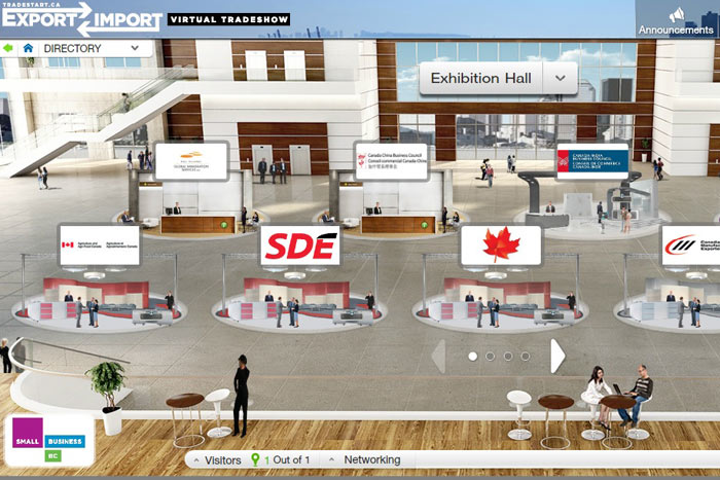
Photo source: Courtesy of Communiqué Conferencing
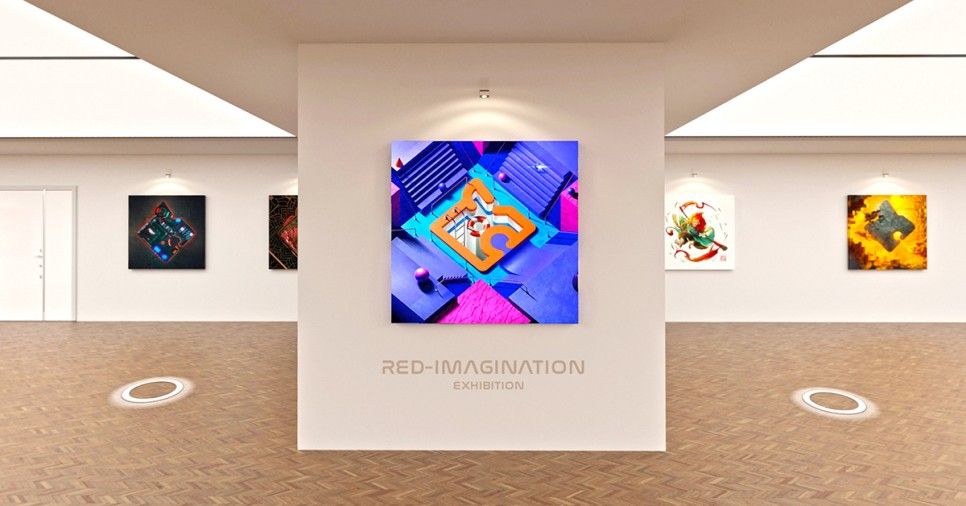
Photo source: RED_IMAGINATION EXHIBITION
2. Virtual Exhibition
Through virtual-fair technology, a company or artist can exhibit their products or works at low cost. It's also a meeting technology with the advantage that participants can comfortably view various exhibitions at home or anywhere they want.
Advantages of virtual-fair technology
1. Gamification
One of the most effective ways to make a fair interesting is to add game elements to the fair. When a fair is gamified, participants' immersion improves and high satisfaction can be obtained. A virtual fair, as a meeting technology where participants communicate with their own devices in an untact situation, has game elements in itself. Even in a contactless situation, communicating with each other through avatars representing each participant enables high-focus, efficient communication.
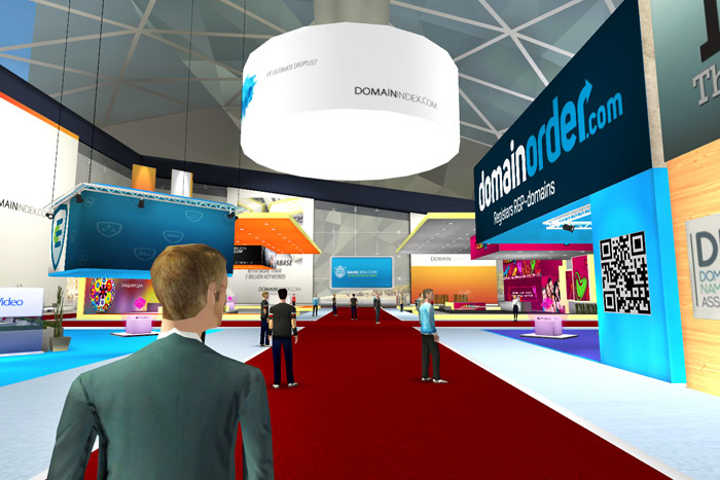
Photo source: Courtesy of Web Fair Virtual

Photo source: Courtesy of INXPO
2. What's possible offline is possible online too
Features useful offline can be used as-is online. A representative one is the ‘social wall.’ A social wall is a small social media within the venue—a powerful networking tool—where event participants share useful information, impressions, and the like. In a virtual fair too, the social wall is usefully leveraged to ease networking among participants.
3. Cost savings for hosts and participants
Virtual-fair technology brings cost savings in hosting and attending events. Fair-tour folks who didn't mind traveling long distances to attend influential fairs are welcoming the rise of virtual-fair technology with open arms. Hosts and exhibitors, too, are greatly satisfied with the convenience of a virtual fair where exhibition preparation is possible in just a few minutes with a few clicks.

Photo source: Pixabay
Chris & Partners, based on the MICE industry's broad experience and knowledge, combines solid planning skill with trendy meeting technology to handle the optimal event for clients.
Online seminars (‘webinars’), as well as offline international conferences and government events, and more—various event planning and execution are possible. Click the image below to check Chris & Partners' portfolio.