VR/AR/MR/XR Technologies Breaking Down the Boundary Between Real and Virtual

Hello, this is Chris & Partners. 😊 Playing games wearing VR glasses, or the game of catching Pokémon with your phone camera—have you all tried them? Now, beyond virtual reality and augmented reality, mixed reality (MR) and extended reality (XR) have appeared. Let's look together at the concepts of the various technologies breaking down the boundary between the real and virtual worlds.
VR/AR/MR/XR technologies breaking down the boundary between real and virtual
Virtual Reality (VR)
VR, which the most people know, means virtual reality. A common example is games. It proceeds in a format where the person playing the game becomes the protagonist of that game within a three-dimensionally composed screen and solves problems. Such virtual reality is also used in the medical field for surgery and dissection practice, and in the aviation and military fields for flight-control training—introduced and actively applied across each field. Representative examples are machines that, with a head-mounted display device such as the Oculus, Samsung's Gear VR, or HTC's Vive VR, block out the outside and then show the user a virtual world.
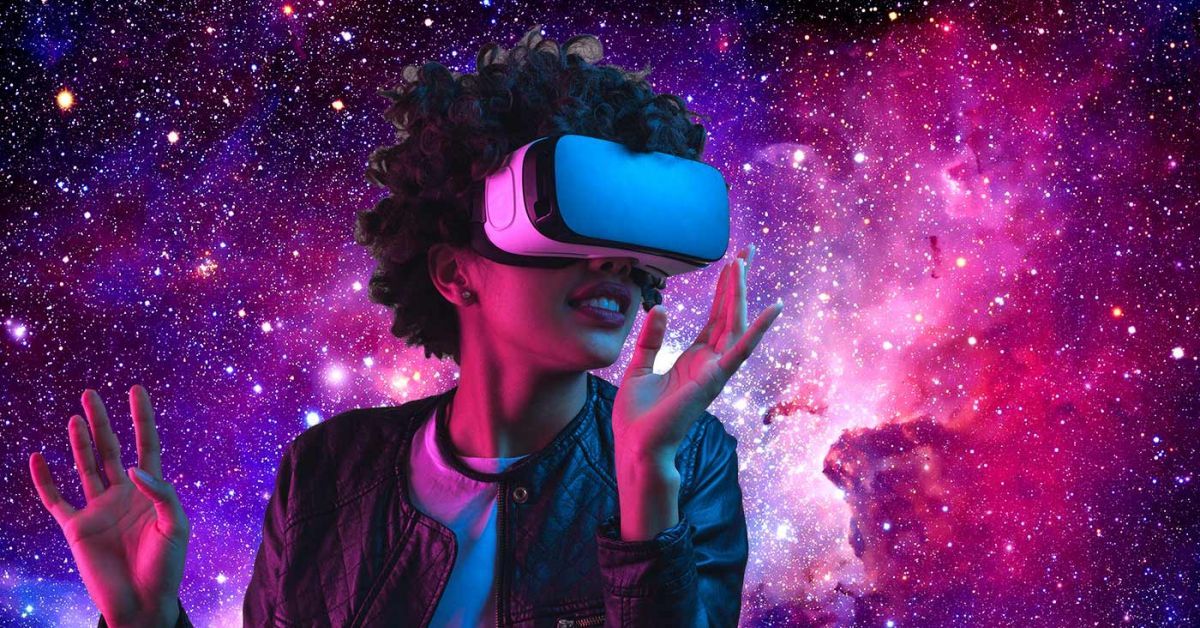
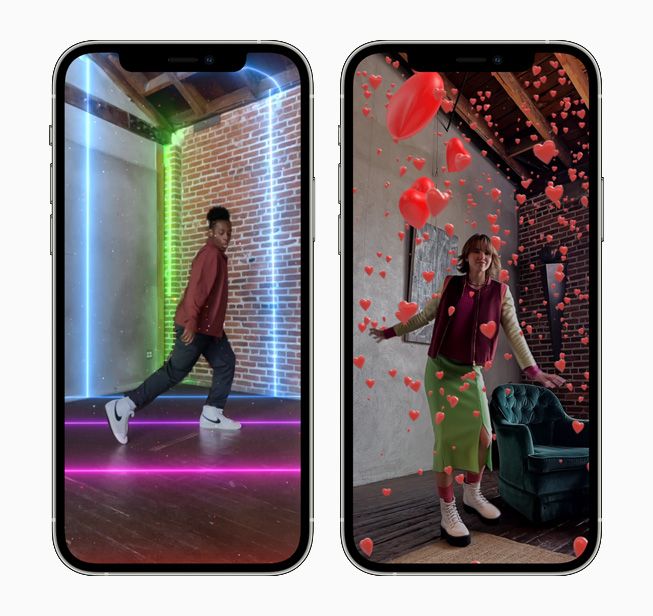
Photo source: Apple
Augmented Reality (AR)
AR, meaning augmented reality, is a technology that provides additional information based on reality. It is an advanced virtual-reality technology that adds and shows virtual images on real-world images or backgrounds. Recently, marketing using this augmented reality has become a hot topic—using AR, you can place furniture in your home before buying it, or try on accessories like glasses to see if they suit you. The difference between AR and VR is that AR adds and shows virtual information onto actual reality, whereas in VR everything presented is a virtual situation.
Mixed Reality (MR)
The technology of combining real-world and virtual-world information to create a space that fuses the two worlds is called mixed reality. It is a technology that takes the advantages of AR (augmented reality) and VR (virtual reality). By providing an environment where the real and virtual are naturally connected, users can have rich experiences. For example, you can commune with a virtual pet placed on your palm, or build a virtual game environment inside a real room and play a game. MR is used in various fields—from the smartphones we use daily to assembly/processing, inspection, medicine, and the automotive and robotics industries. A lab at Chuo University in Japan also used MR technology to realize and study what a coastal region would look like in the event of a tsunami or earthquake.

Photo source: Magic Leap
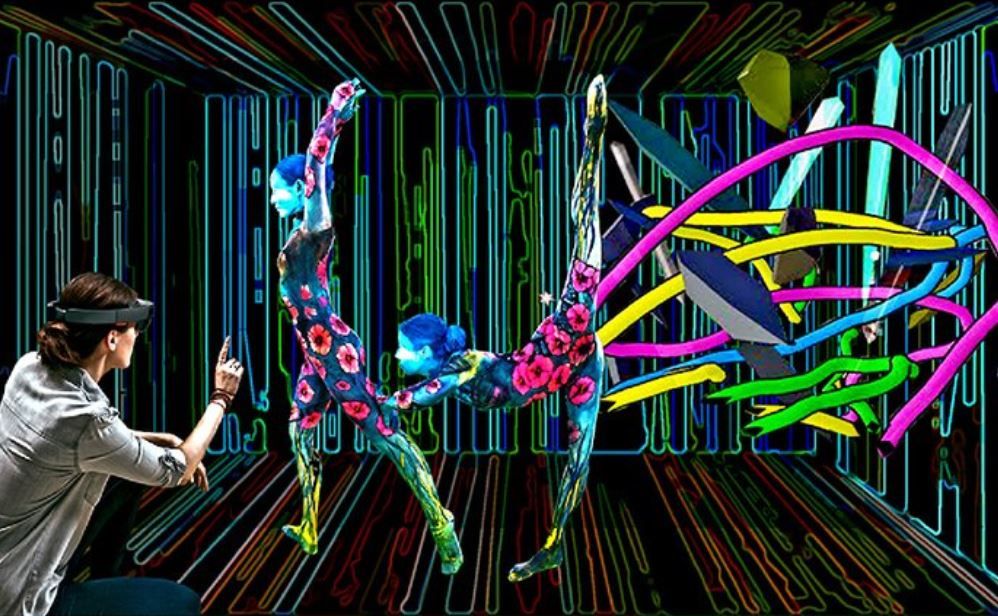
Photo source: Futuredays
eXtended Reality (XR)
XR, which encompasses VR, AR, and MR technologies, means extended reality. Extended reality is still a technology under development and research; it freely selects the individual or combined use of virtual- and augmented-reality technologies to create an extended reality. In other words, it means technology that lets you feel various senses in a virtual space. Such XR is expected to be used in various fields—education, of course, as well as healthcare, manufacturing, and more.
In these days when offline events are restricted due to COVID, many events are making various attempts to move between the real and virtual to overcome the absence of the offline experience. We look forward to the many technologies set to develop even more amazingly, including the extended-reality (XR) technology currently under development.
With Chris & Partners, specialized in fast-changing Digital Transformation issues,Chris & Partners—prepare your hybrid / on- and offline events with us. Your event becomes special. ✨